
Structural Assembly for Work at Height
Steel structures designed to receive lifelines
From field survey to detailed design, from manufacturing to assembly: small, medium and large steel structures conceived per safety standards for the subsequent installation of fall protection systems.
Multidisciplinary engineering across mechanical, civil and electrical disciplines, with turn-key delivery and NR-35 compliance.
disciplines: mechanical, civil, electrical
design to assembly
in-house manufacturing
nationwide service
Structures that were never designed to arrest a fall
Most industrial structures were sized for static operating loads, never for the dynamic force of arresting a fall. When the safety team needs to install a lifeline, it discovers there is no supporting structure at the work point, or that the existing one has no structural calculations that would validate it as anchorage.
Without a properly sized structure there is no reliable lifeline, no matter how good the system installed on it.
Unvalidated anchorage transfers the risk
In a real fall, the collapse of the anchor point turns a contained incident into a multiple-victim accident. Anchoring to an unverified structure does not eliminate the risk, it only displaces it.
Fragmented projects multiply the liability
One supplier designs, another manufactures, a third assembles and a fourth installs the lifeline. None answers for the compatibility of the whole under NR-35.
Inspectors and forensics demand documentation
Design, structural calculations and technical accountability for the structure supporting the protection system are required in audits and forensic investigations.
The full cycle under a single technical accountability
Anchor executes the complete cycle of the steel structure for work at height, eliminating the interfaces between suppliers that dilute responsibility. Anchorage is not an afterthought adaptation: it is a design premise.
Field survey and scope definition
The work starts at the client's plant, with a field survey to support the definition of the best supply scope, avoiding both undersizing (risk) and oversizing (cost).
Multidisciplinary design: basic and detailed
From basic design to detailed design for manufacturing and assembly, covering mechanical, civil and electrical disciplines, for structures of small, medium and large size.
Manufacturing conceived for safety standards
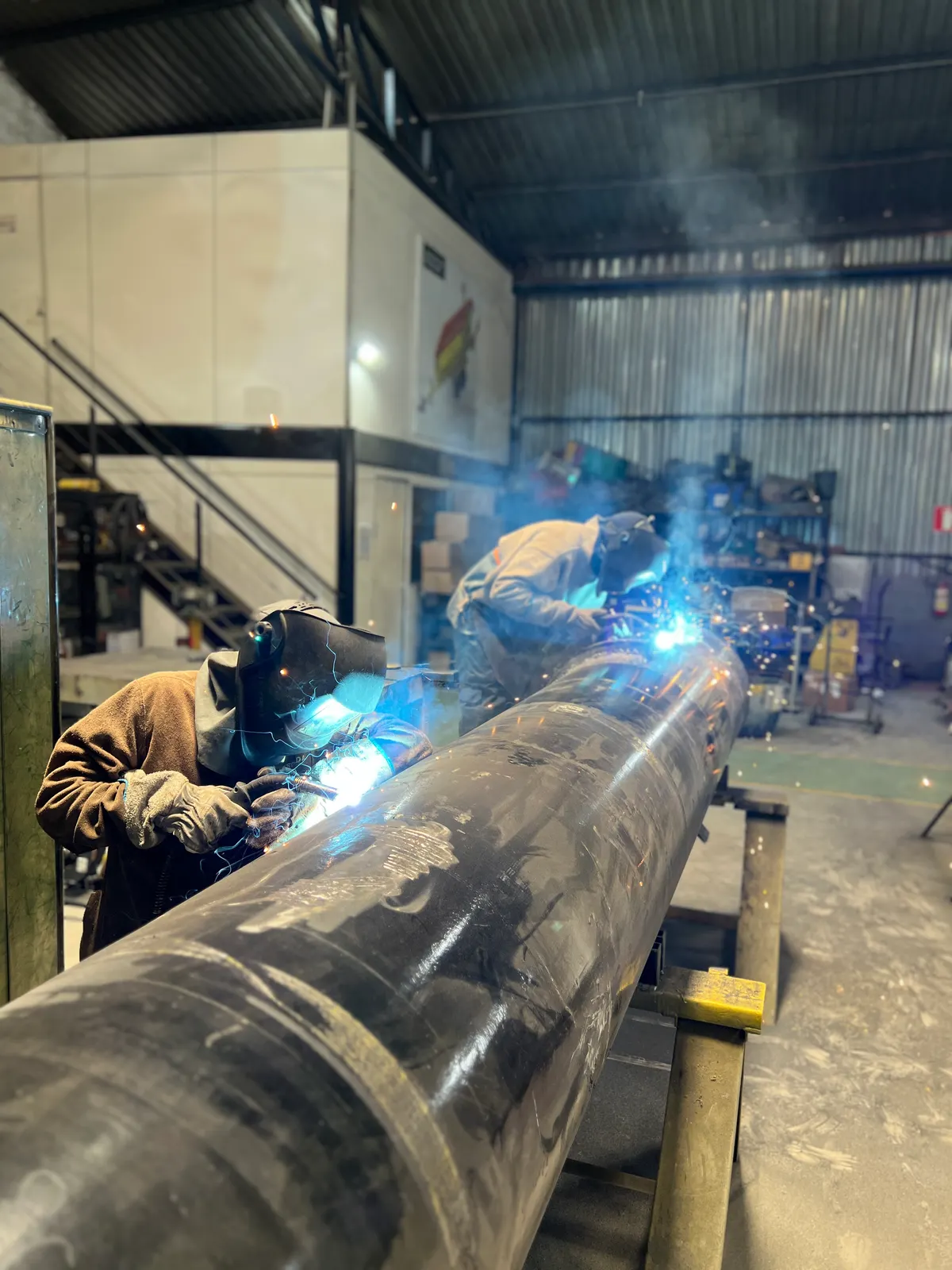
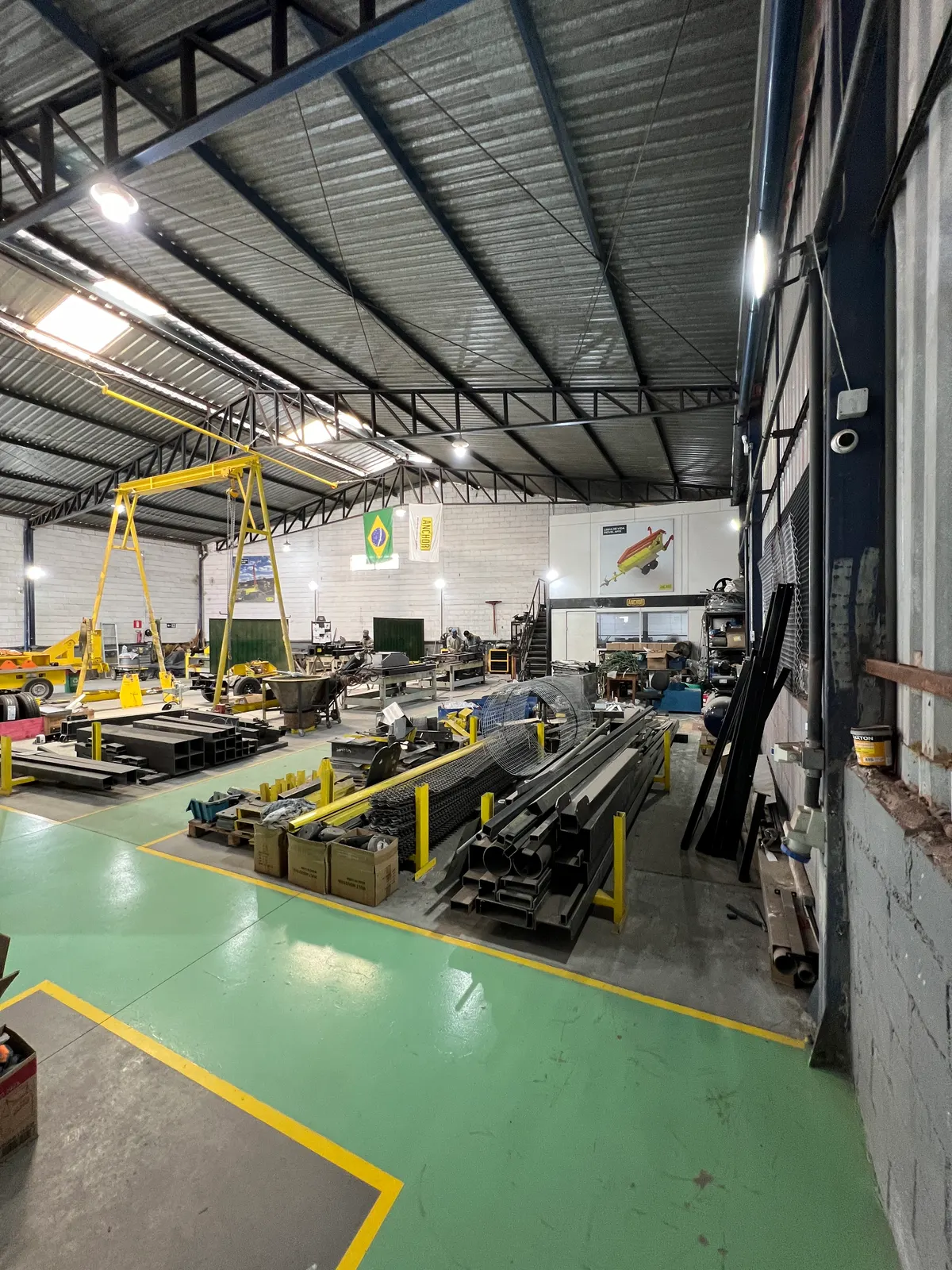
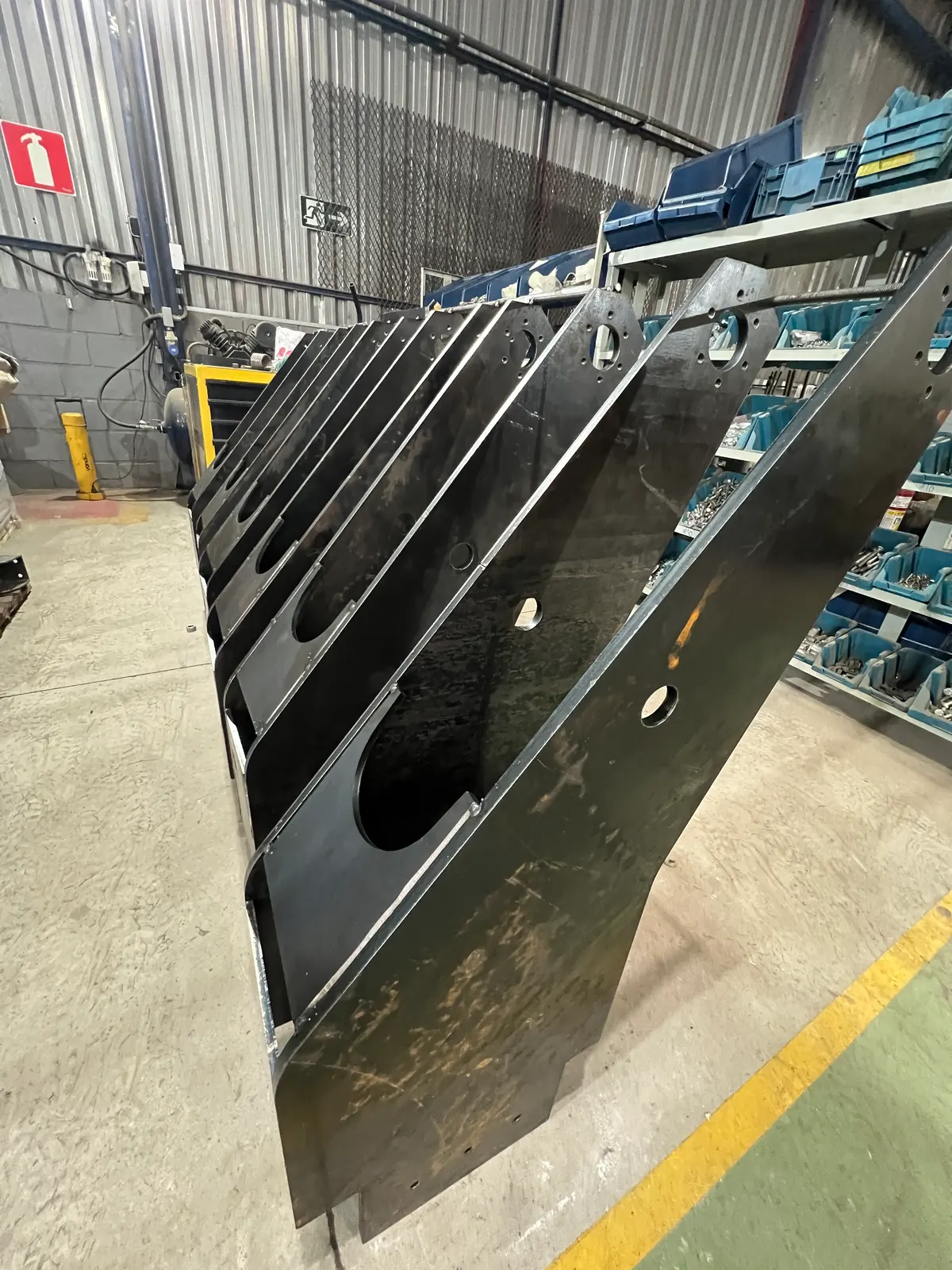
Structures manufactured at our own facility in Belo Horizonte, with an in-house machining center, already accounting for the safety standards for the subsequent installation of lifelines.
Assembly, lifting gantries and maintenance
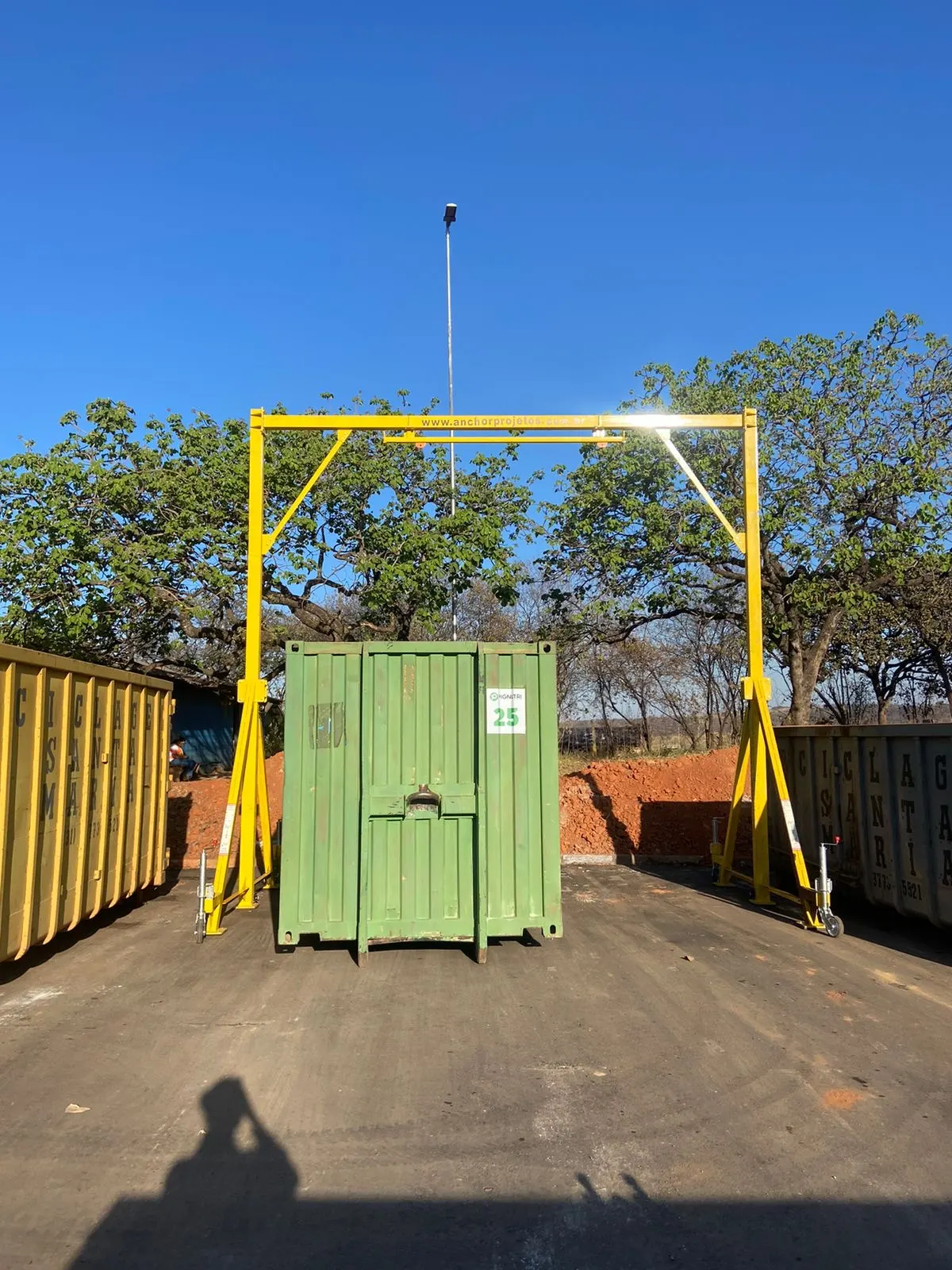
Turn-key delivery with assembly at the client's plant. The scope extends to lifting gantries, inspection of existing systems and industrial maintenance with a full-time resident team.
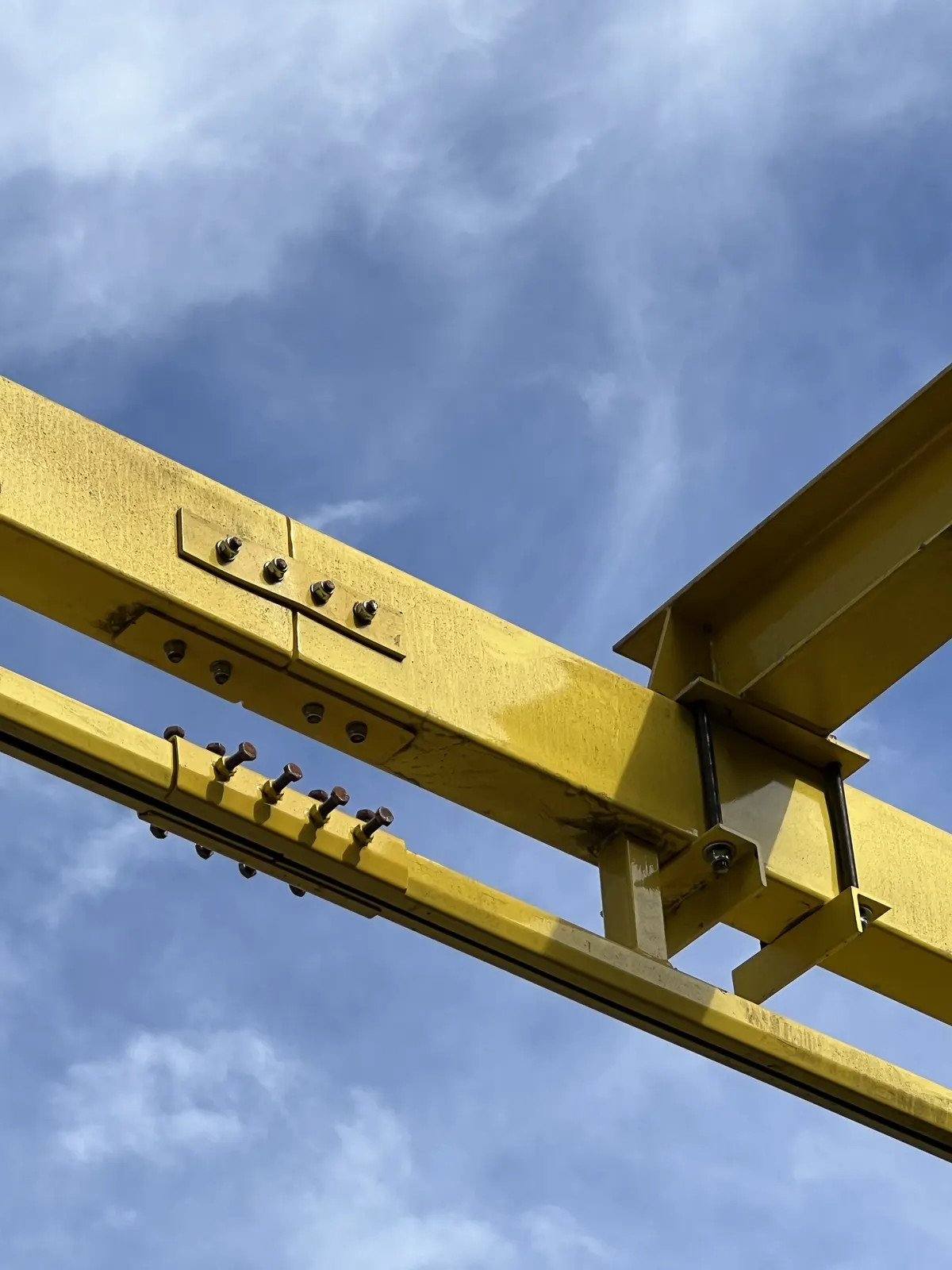
Engineering differentials
What sustains the delivery, verifiable in documentation and in the field.
- Full cycle under a single technical officer: field survey, basic design, detailed design, manufacturing and assembly
- Multidisciplinary engineering (mechanical, civil and electrical) dedicated to work-at-height safety
- Small, medium and large structures, for roofs, lifelines and other operational demands
- In-house manufacturing in Belo Horizonte, with an in-house machining center
- NR-35-oriented conception from the design stage: the structure is born sized for the protection system it will receive
- Lifting gantries with mechanical and electrical design, calculation and on-site assembly
- Inspection and validation of existing systems and structures across the entire Brazilian territory
- Resident industrial maintenance, with a multidisciplinary team allocated full-time at the client's operation
Scope of supply
Service stages and fronts, in the specification your contract will require.
| Stage / Front | Anchor scope |
|---|---|
| Field survey | Technical visit to the plant to define the supply scope |
| Design | Basic and detailed design; mechanical, civil and electrical disciplines |
| Structure sizes | Small, medium and large |
| Manufacturing | Own facility in Belo Horizonte, in-house machining center, conception per safety standards |
| Assembly | Executed at the client's plant, turn-key |
| Applications | Structures for lifelines, roof supports, lifting gantries and operational demands |
| Lifting gantries | Mechanical and electrical design, calculation, manufacturing and assembly |
| Ongoing services | Inspection of existing systems; industrial maintenance with resident team (preventive and corrective) |
| Reference standard | NR-35, Work at Height (Brazil) |
| Coverage | The entire Brazilian territory |
Frequently asked questions
Do you deliver only the structure or also the lifeline it will receive?
The supply is integrated. The structure is designed and manufactured already accounting for the fall protection system it will receive, whether a flexible, roof or rigid rail lifeline, and Anchor delivers the complete set turn-key, including subsequent maintenance.
My plant already has structures. Do you validate what exists?
Yes. Anchor's engineering team performs inspection and validation of existing systems and structures across the entire Brazilian territory, indicating what can be reused, what needs reinforcement and what must be replaced.
What structure sizes do you handle?
From small to large, with the same multidisciplinary team covering the mechanical, civil and electrical disciplines, from localized anchorage supports to complete roof structures and lifting gantries.
How does maintenance work after assembly?
There are two modes: periodic inspections scheduled by Anchor's engineering, or resident industrial maintenance, with a multidisciplinary team allocated full-time at the client's operation for preventive and corrective work.
Start with the field survey
Before pricing a structure, size the problem: schedule the field survey with Anchor's engineering and receive the scope proposal, from basic design to assembly, to bring your operation into NR-35 compliance under a single technical accountability.